Cart Total Items (0)

Cart

title-image

Beautiful Gardens.
Healthy Ecosystems.
A Better Future.

Native plants do far more than beautify our landscapes. They support pollinators, provide habitat for wildlife, improve biodiversity, protect natural resources, and connect us to the unique natural heritage of the places we call home.

At Carolina Native Nursery, we believe planting native is one of the most impactful things homeowners, businesses, schools, municipalities, and communities can do to create healthier, more resilient landscapes.

Whether you’re planting a single pollinator garden or transforming an entire property, native plants make a difference.

title-image

What Is a Native Plant?

A native plant is a species that evolved naturally in a particular region over thousands of years. These plants developed alongside local soils, climate conditions, birds, butterflies, bees, and wildlife.

Because they belong here, native plants are uniquely adapted to thrive in local environments while supporting the complex web of life that depends on them.

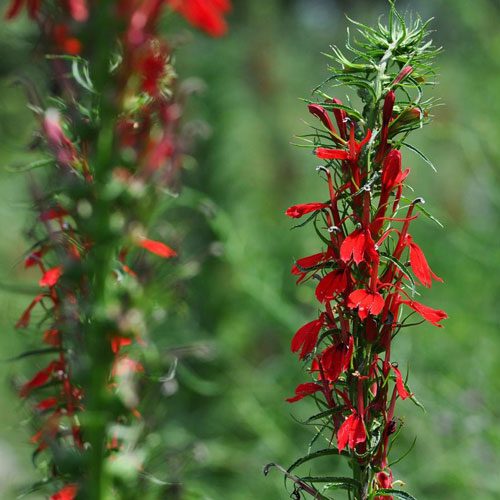
Examples of native plants found throughout the Eastern US include:
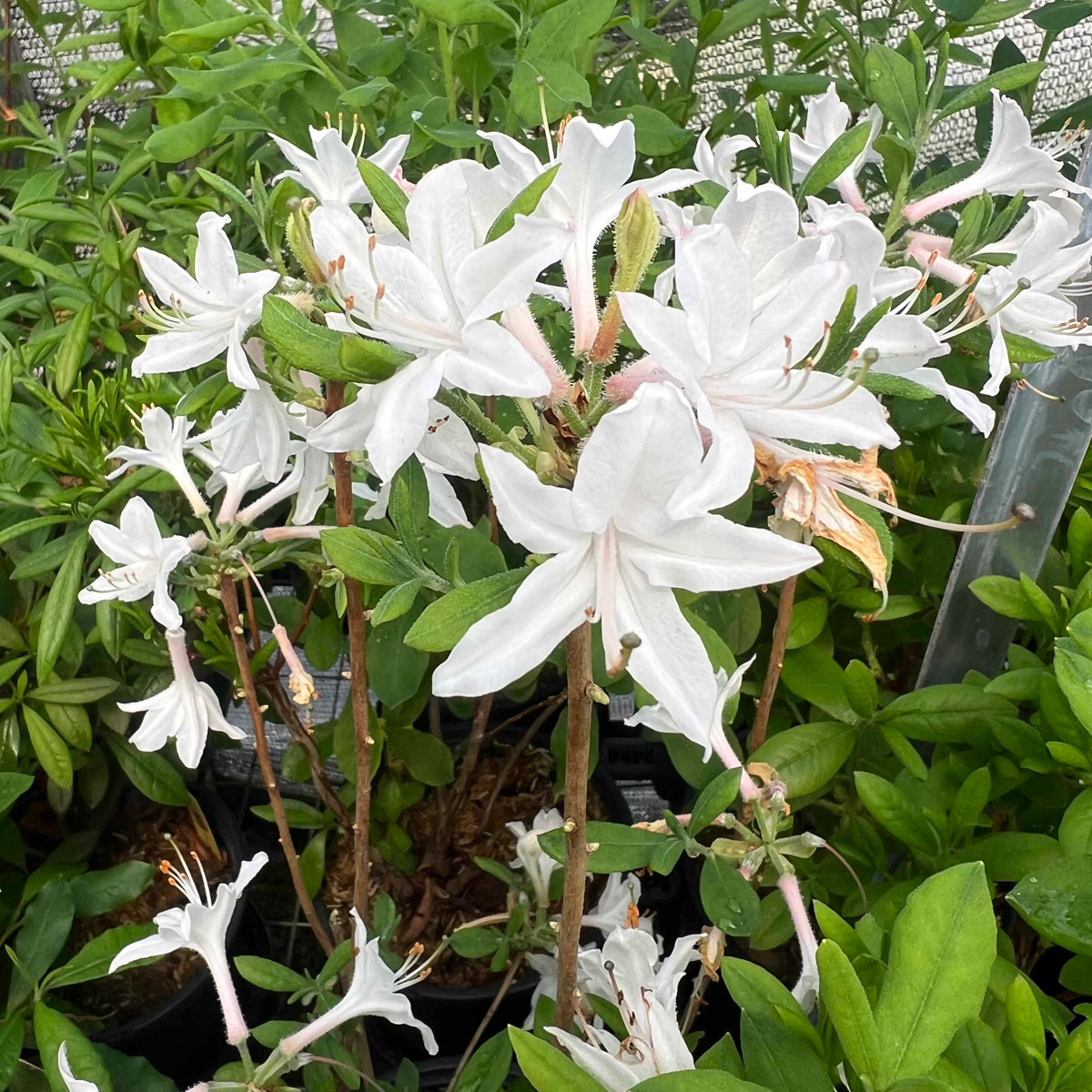
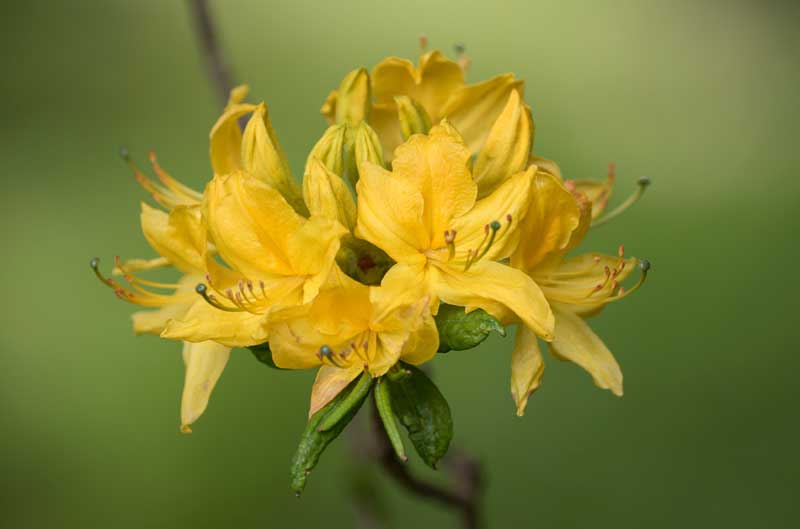
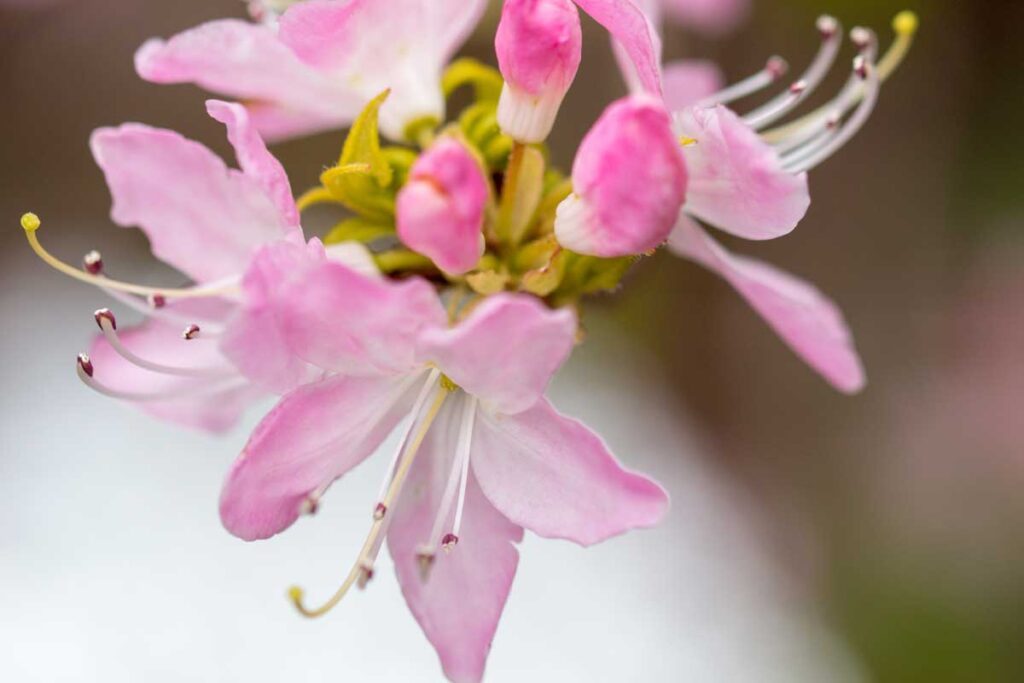
  • Native Azaleas
  • Rhododendrons
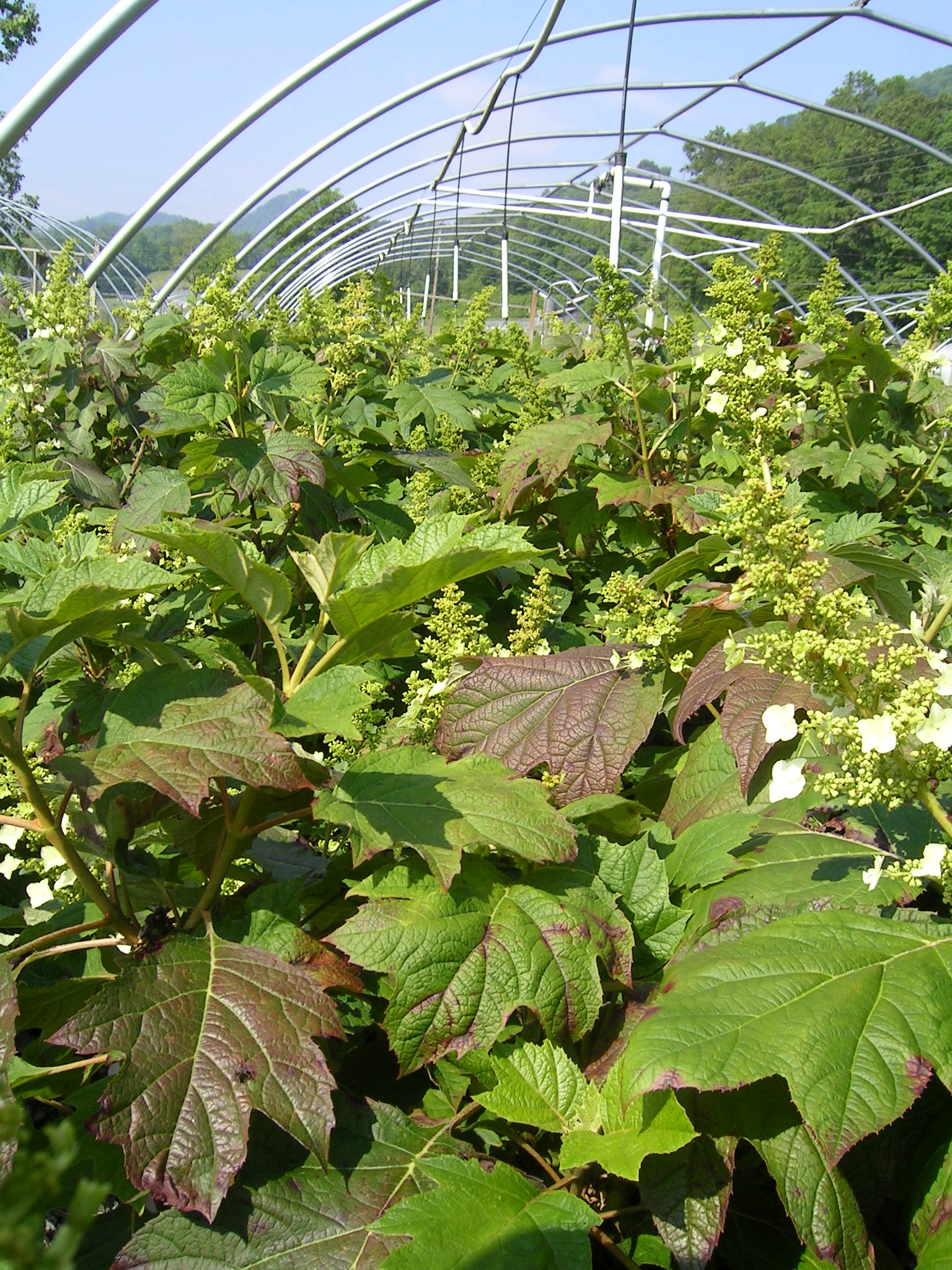
  • Oakleaf Hydrangea
  • Coneflowers
  • Milkweed
  • Goldenrod
  • Little Bluestem
  • Christmas Fern
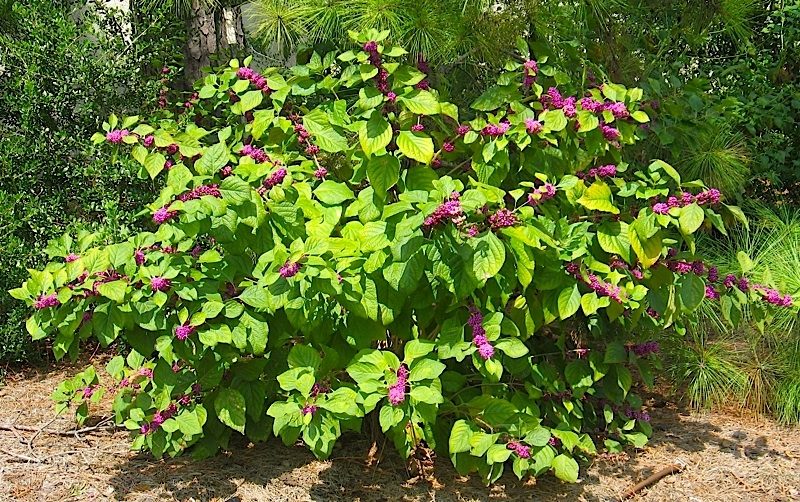
  • Buttonbush
  • Elderberry
These plants are not only beautiful—they are essential.
title-image

Native Plants Support Pollinators

Pollinators are responsible for helping produce much of the food we eat and play a critical role in maintaining healthy ecosystems.

Native bees, butterflies, moths, hummingbirds, and other pollinators rely on native plants for nectar, pollen, shelter, and reproduction.

Many pollinators cannot survive on non-native plants alone because they evolved alongside specific native species.

By planting native, you create habitat that supports:
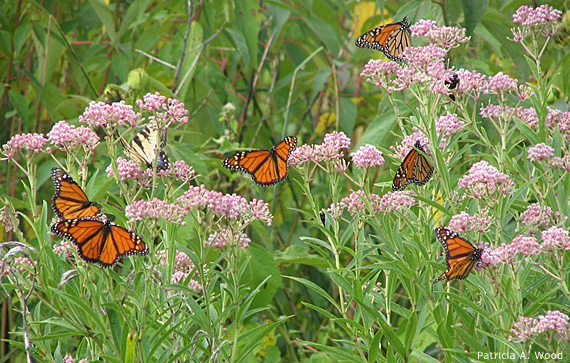
  • Monarch butterflies
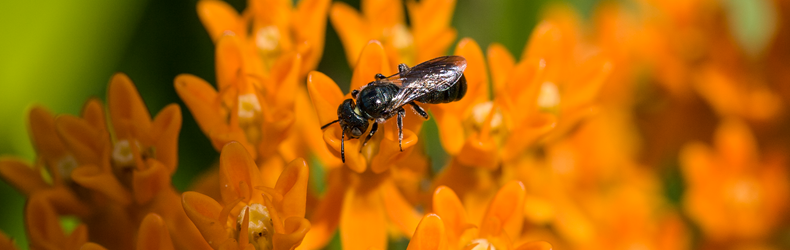
  • Native bees
  • Hummingbirds
  • Moths
  • Beneficial insects
  • Countless other pollinators
A garden filled with native plants becomes a living ecosystem.
title-image

Native Plants Support Birds and Wildlife

Native plants provide far more than flowers.

They produce berries, seeds, foliage, nesting materials, and shelter that birds and wildlife depend upon throughout the year.

Research has shown that landscapes dominated by non-native plants support significantly fewer insects—the primary food source for many songbirds.

Native plants help provide:
  • Nesting habitat
  • Protective cover
  • Seasonal food sources
  • Insect populations that feed birds
  • Wildlife corridors and refuge
Simply put, more native plants mean more life.
title-image

Native Plants Help Restore Biodiversity

Across North America, habitat loss remains one of the greatest threats to wildlife and ecosystem health.

Every native garden, pollinator planting, and restoration project helps rebuild small pieces of habitat that have been lost to development and fragmentation.

Native plants help:
  • Increase biodiversity
  • Support healthy ecosystems
  • Strengthen local food webs
  • Improve ecological resilience
  • Restore connections between people and nature
Even small plantings can have a meaningful impact.
title-image

Native Plants Are Beautiful

One of the biggest misconceptions about native plants is that they are only for naturalized areas or wild landscapes.

The truth is that native plants can be every bit as beautiful as traditional ornamentals—often more so.

Native landscapes offer:

  • Four-season interest
  • Vibrant blooms
  • Unique textures
  • Dramatic fall color
  • Fragrance
  • Movement
  • Wildlife activity

From the fiery blooms of Flame Azaleas to the graceful seed heads of Little Bluestem, native plants create gardens that are dynamic, diverse, and deeply connected to place.

title-image

Native Plants Often Require Less Maintenance

Because native plants evolved in local conditions, they are often better adapted to local rainfall patterns, soils, temperatures, and weather extremes.

Once established, many native plants require:
  • Less irrigation
  • Less fertilizer
  • Fewer pesticides
  • Less maintenance
  • Fewer inputs overall
That means more sustainable landscapes and less work for gardeners.
title-image

Native Plants Protect Water Quality

Healthy native plantings help manage stormwater, reduce erosion, improve soil health, and filter runoff before it reaches streams, rivers, and lakes.

Deep root systems help:
  • Stabilize soil
  • Reduce runoff
  • Improve water infiltration
  • Increase drought resilience
  • Build healthier soils
Native landscapes work with nature rather than against it.
title-image

Native Plants Connect Us to Place

Every region has its own unique ecological story.

The Southern Appalachian Mountains are one of the most biologically diverse temperate regions in the world. Native plants are part of that story. They connect us to the landscapes, wildlife, and natural communities that make this region so special.

Planting native isn’t simply a gardening choice. It’s a way of preserving and celebrating the natural heritage of the place we call home.
title-image

Why Carolina Native Nursery?

For more than two decades, Carolina Native Nursery has been dedicated to growing and promoting native plants.

We grow thousands of native plants, helping preserve genetic diversity while making these important species available to gardeners, landscapers, municipalities, and conservation organizations.

Whether you’re looking for:
  • Native perennials
  • Native shrubs
  • Native grasses
  • Native ferns
  • Native azaleas
  • Native rhododendrons
  • Pollinator plants
  • Wholesale native plants
We’re here to help.
title-image

Start Planting Native

Every native plant matters.
Every pollinator garden matters.
Every habitat restoration matters.

And every person who chooses to plant native becomes part of a larger effort to create healthier landscapes and stronger ecosystems for future generations.

We invite you to explore the beauty, diversity, and ecological value of native plants—and discover why planting native is one of the most rewarding decisions you can make for your garden and the world around you.